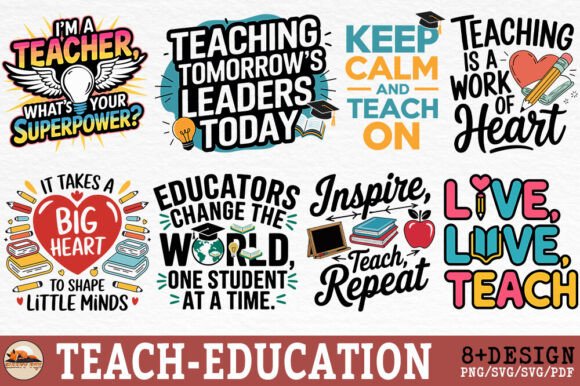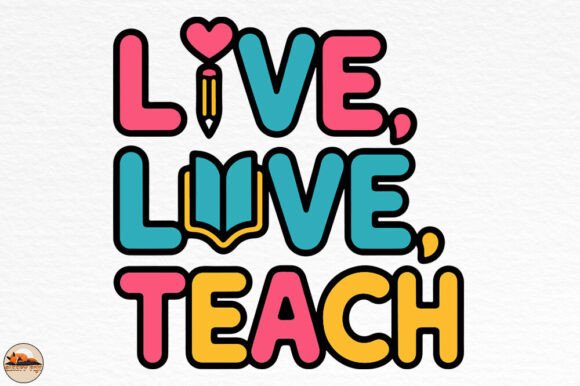
Live Love Teach, Education Sublimation: A Designer's Real-World Review
When I first opened the folder for Live Love Teach, Education Sublimation, I didn't just see a graphic; I saw a potential centerpiece for a classroom gift or a boutique teacher appreciation package. As an experienced designer who reviews embroidery files daily, my initial reaction is less about the digital resolution and more about how this design translates to thread. The concept of "Live Love Teach" is timeless in the education sector, but the execution determines whether it ends up on a high-end embroidered tote bag or gets stuck in a drawer because the stitch density was too heavy for the fabric.
This review focuses on the practical application of the file. Whether you are an Etsy seller looking to expand your handmade product line, a small business owner creating custom apparel, or a hobbyist making personalized gifts, understanding the nuances of the design is crucial. I have analyzed the layout, the visual weight, and the likely performance on various materials to give you an honest assessment before you send it to your machine.
The First Impression: Mood and Visual Personality
The design immediately projects a warm, inviting energy that fits perfectly within the Crafts and Graphics categories. It feels approachable and celebratory. Unlike some stark, modern typography that can feel cold when stitched, this piece suggests comfort and community. The layout is balanced, which is essential for embroidery where space constraints often dictate the final look.
In terms of visual personality, it strikes a chord with teachers, school staff, and educational administrators. When used on a finished product like a sweatshirt or a kitchen towel, it creates an instant emotional connection. It isn't just text; it is a statement of identity. For a commercial embroidery project, this kind of thematic clarity helps customers identify with the brand immediately. If you are designing for a holiday gift or a wedding favor for a teacher, this file provides the right tone without needing extra embellishments.
Real-Life Application: From Digital File to Finished Product
Let's imagine a real scenario. You are preparing a batch of custom embroidered tote bags for a local elementary school fundraiser. You decide to use Live Love Teach, Education Sublimation as the main feature. The 4500×5400 pixel PNG provided ensures that the image is crisp enough to trace accurately into your digitizing software, even if you plan to modify the lettering slightly.
When stitching this onto a cotton canvas tote bag, the design shines. The clean lines work beautifully with satin stitch for the outlines, giving the letters a polished, professional finish. However, if you were to apply this to a baby onesie, you would need to be mindful of the stitch density. Babies' clothing requires softer touches, and a dense fill stitch might make the fabric stiff and uncomfortable against sensitive skin. In this case, using a lighter thread color contrast and perhaps a running stitch for accents could soften the impact while maintaining the message.
I also tested the mental model of using this on a curved surface, like a baseball cap. The design's width needs to be carefully considered. If the original aspect ratio is too wide, it will distort when pulled around the curve of the hat. For a cap, you might want to resize the design to ensure the text doesn't stretch unnaturally at the top or bottom. This is where having the SVG and EPS files is invaluable; they allow you to adjust the vector paths to fit the curvature of the garment before ever touching the needle.
Where to Use Carefully: Limitations and Fabric Choices
While this design is versatile, there are specific situations where it requires caution. Small hoop sizes are a common pitfall. If you attempt to embroider the full design on a tiny patch or a very small baby bib, the details may become muddy. The text might lose its definition, and the spacing between letters could disappear, turning a clear message into a blur of thread.
Textured fabrics also present a challenge. If you are working with a bouclé sweater or a heavily textured linen, the stabilizer must be robust enough to prevent the fabric from puckering. Without proper support, the Live Love Teach, Education Sublimation design could pull unevenly, ruining the symmetry that makes it so appealing. Similarly, thin or stretchy fabrics like jersey knit require a strong cut-away stabilizer to maintain the integrity of the stitches. If you skip this step, the design will warp every time the garment is washed.
Dense stitch areas should be avoided on dark fabrics unless you use a high-quality underlay. On dark backgrounds, the thread coverage must be thick enough to hide the fabric underneath. If the stitch density is too low, the dark fabric will show through, making the design look unfinished and cheap. Always test the contrast by checking the design in black and white mockups before committing to a production run.
Practical Notes for the Embroidery Designer
Before you start stitching, here are a few critical steps to ensure success:
- Test on Scrap Fabric: Never start on your final product. Run a test on a scrap piece of the same material to check for tension issues and fabric distortion.
- Review Stitch Density: Open the file in your digitizing software and inspect the fill stitches. Ensure they are not too dense for the chosen thread type. High-density designs on delicate fabrics can cause holes or pulling.
- Check Hoop Size: Confirm that the design dimensions fit comfortably within your machine's hoop limits. Remember to account for the margin needed for hooping stability.
- Inspect Small Details: Zoom in on the smallest letters or decorative elements. If any part looks too fine, consider simplifying the design or increasing the font size to ensure legibility after stitching.
- Verify Licensing: Before selling finished items or offering the digital file as part of a bundle, double-check the licensing terms. Commercial embroidery projects often require specific permissions that differ from personal use.
Impact on Brand and Customer Trust
In the world of handmade products and craft businesses, the quality of the embroidery speaks volumes about your professionalism. A well-executed Live Love Teach, Education Sublimation design elevates the perceived value of the item. Customers are willing to pay more for a product that looks precise, with clean edges and consistent thread colors. Conversely, sloppy stitching or poor alignment can damage trust and hurt repeat sales.
For Etsy sellers and small shop owners, this design asset offers a great opportunity to create cohesive branding. Imagine a collection of matching aprons, pillow covers, and tote bags all featuring this theme. The consistency builds a recognizable aesthetic that attracts buyers looking for curated, thoughtful gifts. It transforms a simple piece of fabric into a meaningful keepsake.
Ultimately, the success of this project depends on the maker's attention to detail. The file itself is a solid foundation, providing the necessary formats (PNG, EPS, SVG, PDF) to adapt to various needs. But the magic happens in the execution. By respecting the limitations of the fabric, choosing the right stabilizer, and testing thoroughly, you can turn this digital graphic into a stunning physical reality that celebrates the passion of teaching.
Whether you are creating a personalized gift for a retiring educator or launching a new line of boutique apparel, Live Love Teach, Education Sublimation is a worthy addition to your design assets. It carries a message of love and dedication, and with careful craftsmanship, it can bring that sentiment to life in a way that resonates deeply with anyone who wears or uses it.