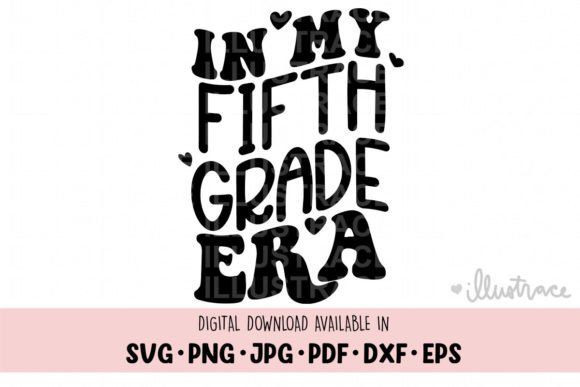
In My 5th Grade Era: A Real Embroidery Review
When I first opened the file for In My 5th Grade Era, 5th Grade, School, my initial reaction wasn't just about the text itself. It was about the vibe. As a designer who has spent years stitching out designs for small businesses and personal gifts, I know that a successful embroidery project starts with a concept that feels authentic. This design hits that sweet spot of nostalgia without feeling overly cutesy or dated. It strikes a balance that makes it perfect for a specific demographic: kids who are proud of their academic milestone, parents looking for sentimental keepsakes, and crafters building a boutique line of school-themed apparel.
The layout is clean, which is a huge plus when transitioning from a digital screen to a physical piece of fabric. In the world of machine embroidery, visual personality can often get lost in the stitch density, but this design retains its character. It creates an immediate mood of playful confidence. Whether you are planning a custom tote bag for a back-to-school event or a personalized sweatshirt for a family photo shoot, In My 5th Grade Era, 5th Grade, School offers a professional look that elevates the finished product beyond a simple printed transfer.
From Digital File to Finished Product
I recently put this design through a real-world test on a soft-touch fleece hoodie intended for a local elementary school fundraiser. The goal was to create a high-quality item that parents would actually want to wear, not just keep in a drawer. The transition from the SVG source to the stitched result was surprisingly smooth. The lettering held up well against the texture of the fleece, proving that the design assets are robust enough for varied fabric types.
For those of us running Etsy shops or craft fair booths, the versatility of this design is a major selling point. It isn't limited to just one type of garment. I envision this working beautifully on baby onesies for "future scholars," aprons for young bakers, or even as a decorative accent on a pillow cover for a child's room. The phrase "In My 5th Grade Era" has a rhythmic quality that translates well into satin stitches, giving the text a slight sheen that catches the light nicely. When paired with a contrasting thread color, the design pops, ensuring that your handmade product stands out in a crowded marketplace.
However, the success of the final piece relies heavily on how you handle the technical aspects. If you are aiming for a commercial embroidery project, you need to consider the stitch density. While the design looks great in a mockup, real-life stitching requires precision. On stretchy fabrics like jersey t-shirts, the tension must be carefully managed to prevent puckering. For structured items like caps or patches, the stabilizer choice becomes critical to maintain the shape of the letters.
Navigating Fabric and Hoop Challenges
No design is universally perfect, and In My 5th Grade Era, 5th Grade, School has its own set of constraints that every embroiderer should respect. One area where caution is needed is with small hoop sizes. If you are trying to fit this onto a tiny baby hat or a miniature patch, the details might get lost in the stitching process. The curves of the letters require enough space to breathe; cramming them into a tight hoop can lead to thread breaks or misalignment.
Textured fabrics present another hurdle. While the design works wonders on smooth cottons and fleeces, applying it to heavy denim or rough canvas can sometimes obscure the finer lines of the text. Similarly, thin fabrics demand a lighter touch. Without proper backing stabilizer, the weight of the fill stitches could distort the material, making the shirt look uneven after washing. This is particularly important for products that will see frequent laundering, such as classroom uniforms or play clothes.
Dense stitch areas are another consideration. If the design includes decorative accents or intricate borders alongside the text, you must ensure that the machine can handle the density without creating a stiff, cardboard-like feel. For wearable items like sweatshirts and tote bags, comfort is key. You want the embroidery to feel integrated into the garment, not sitting on top of it like a hard plate. Testing the design on scrap fabric first is the only way to guarantee that the thread colors and stitch types work harmoniously with your chosen material.
Building Trust Through Quality Design
For Etsy sellers and creative entrepreneurs, the visual appeal of your product directly impacts customer trust. A sloppy stitch job or a design that doesn't align correctly can ruin the perceived value of a handmade gift. In My 5th Grade Era, 5th Grade, School provides a solid foundation for professionalism because of its clear typography and balanced composition. When customers receive a personalized gift that looks polished and intentional, they are more likely to leave positive reviews and return for future purchases.
This design also shines in the realm of giftability. The theme is universally relatable. Every parent remembers the chaos and pride of the fifth-grade year. By offering a design that captures that specific era, you tap into an emotional connection that generic school designs simply cannot match. Whether it is a holiday gift for a teacher or a birthday present for a student, the design adds a layer of thoughtfulness that enhances the overall presentation.
To maximize the potential of this graphics asset, I recommend experimenting with different thread colors. A classic white or black thread offers timeless elegance, while a bright primary color can make the design pop for a younger audience. Always check the contrast between the thread and the fabric before committing to a full production run. What looks good on a computer screen might disappear on a dark navy background if the thread shade isn't vibrant enough.
Practical Steps for Success
If you are ready to start using this design in your craft business, here are a few essential steps to ensure a flawless outcome:
- Test First: Always run a test stitch on a scrap piece of the same fabric you plan to use. This helps you adjust tension and stabilizer needs before touching the final product.
- Check Density: Review the stitch density settings in your software. If the fill is too dense, the fabric may pucker; if too sparse, the coverage might look weak.
- Verify Licensing: Before selling finished items or digital products, confirm the licensing terms associated with the file. Ensure you have the right to use the design for commercial purposes.
- Mockups Matter: Create printable mockups in both black and white and full color to visualize how the design will look on different garments like aprons, tea towels, and blankets.
- Inspect Details: Zoom in on the digital file to inspect small details and corners. Sometimes, what looks fine at a distance can reveal jagged edges up close that need smoothing in the digitizing process.
Ultimately, In My 5th Grade Era, 5th Grade, School is more than just a collection of text; it is a tool for storytelling through needle and thread. It allows makers to celebrate educational milestones with style and precision. By understanding its strengths and limitations, you can transform a simple graphic into a cherished part of a child's wardrobe or a standout item in your shop inventory.
Whether you are designing a custom apparel line for a small shop or creating a unique keepsake for your own family, this design offers the flexibility and charm needed to succeed. With careful attention to fabric selection, stabilizer usage, and thread contrast, you can produce finished products that reflect the high standards of professional embroidery. The result is not just a shirt or a bag, but a tangible memory of a special time in a child's life.